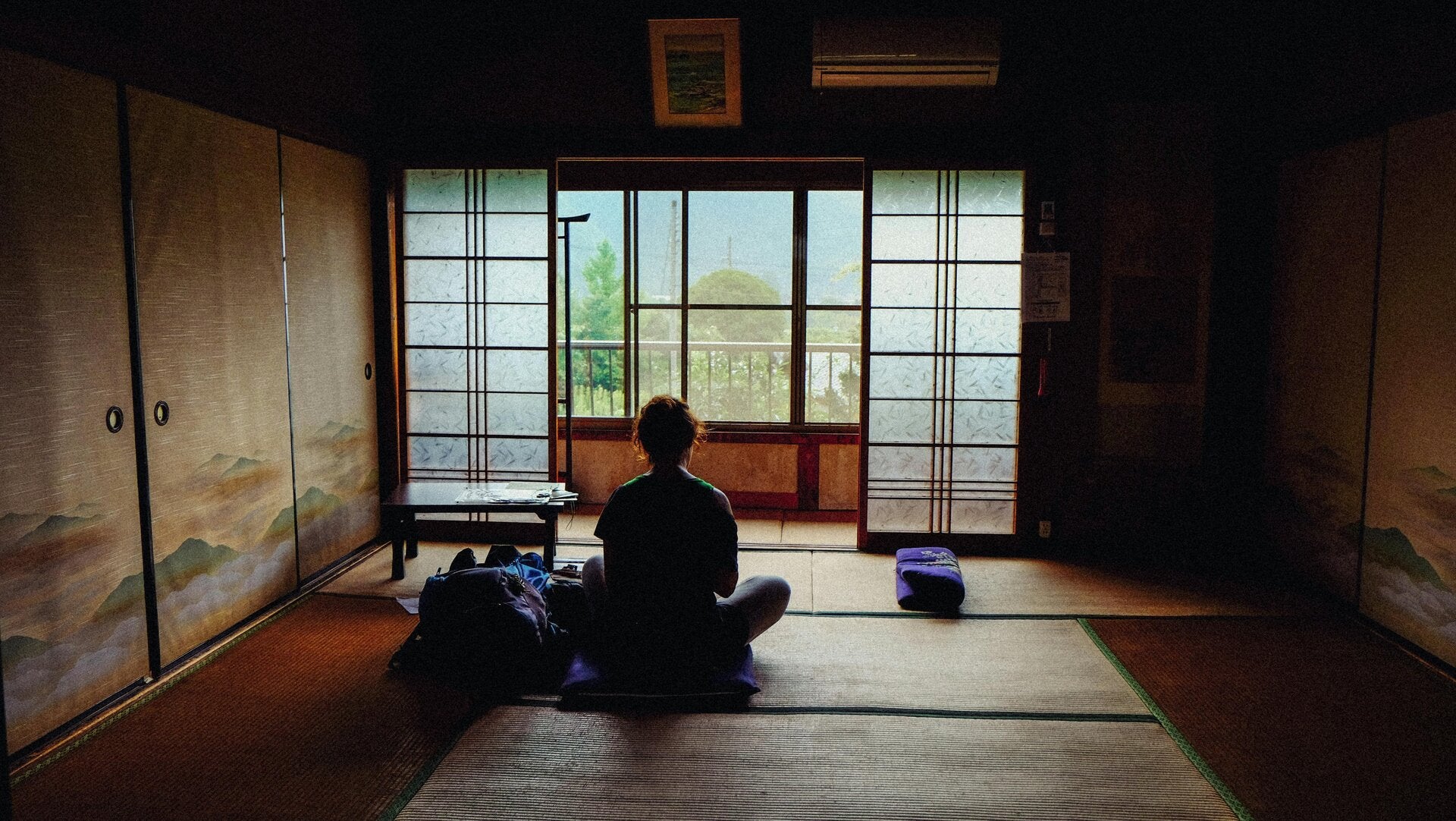
How to Take Control of Your Future
Discover how self-discipline can help you build better habits, achieve your goals, improve your mindset and become a stronger version of yourself.
Have you ever made a promise to yourself that you would change something in your life, only to find yourself repeating the same habits a few days later?
Perhaps you wanted to start exercising, eat healthier, become more productive, save money or finally work towards a personal goal.
You knew what you needed to do, but somehow you kept postponing it.
The problem wasn't necessarily a lack of ability. It may have been a lack of structure, consistency or self-discipline.
Self-discipline is one of the most valuable skills you can develop. It helps you make decisions that support your long-term goals, even when immediate distractions or temporary feelings make things difficult.
At FDC FIT, we believe that discipline is not limited to physical training. It is a mindset that can influence how you approach your health, relationships, responsibilities and personal development.
In this article, you will discover why self-discipline matters, how to develop it and seven practical ways to apply it to your everyday life.
1. Understand What Self-Discipline Really Means
Self-discipline is the ability to manage your actions, habits and decisions in a way that supports your goals and values.
It doesn't mean being perfect.
It doesn't mean working constantly or never enjoying yourself.
And it certainly doesn't mean ignoring your physical or emotional needs.
Real self-discipline is about making conscious decisions rather than allowing every distraction or temporary feeling to determine your behaviour.
For example:
- Choosing to complete a planned workout instead of repeatedly postponing it.
- Managing your time instead of constantly procrastinating.
- Saving money towards an important goal.
- Making time for learning and personal development.
- Following through on commitments you have made to yourself.
These decisions may seem small, but repeated actions can gradually shape your lifestyle.
Self-discipline is not about controlling everything around you. It is about learning to take responsibility for the choices within your control.
2. Stop Waiting for Motivation
One of the biggest mistakes people make is waiting until they feel motivated before taking action.
Motivation can be helpful, but it naturally changes.
You might feel excited about starting a new project today and completely lose enthusiasm tomorrow.
If you depend entirely on motivation, your progress can become inconsistent.
Self-discipline provides a more reliable foundation.
Instead of asking yourself whether you feel like doing something, ask whether the action supports something that matters to you.
For example:
You want to improve your fitness, but you don't feel motivated to exercise.
Rather than cancelling your entire routine, consider whether a shorter, manageable session would be appropriate.
You want to develop your knowledge, but you feel distracted.
Instead of giving up, spend ten minutes reading.
The objective is to make progress through realistic actions rather than expecting yourself to feel motivated all the time.
3. Take Control of Your Daily Routine
Your everyday routine has a significant influence on your behaviour.
When your day lacks structure, it becomes easier to postpone important activities and spend time on things that don't support your priorities.
Creating a simple routine can help you become more organised and intentional.
Start with these steps:
Plan your morning
Identify your priorities before distractions take over.
Organise your responsibilities
Decide when you will work, exercise, learn and relax.
Create realistic commitments
Avoid filling your schedule with more activities than you can reasonably manage.
Review your day
Take a few minutes each evening to reflect on what went well and what could improve.
You don't need an extreme schedule.
You need a routine that supports your responsibilities, health and personal goals.
4. Learn to Control Distractions and Procrastination
Distractions are everywhere.
Social media, unnecessary notifications, television and constant interruptions can make it difficult to concentrate.
Procrastination can also become a habit.
We tell ourselves that we will start tomorrow, next week or when the timing is better.
But waiting for the perfect moment often means delaying progress.
Try these practical strategies:
- Turn off unnecessary phone notifications.
- Set aside specific periods for focused work.
- Break large tasks into smaller activities.
- Keep your workspace organised.
- Start with the most important task.
- Avoid trying to do several demanding things simultaneously.
When you feel overwhelmed, reduce the size of the task rather than abandoning it.
Sometimes the hardest part is simply getting started.
5. Apply Self-Discipline to Your Physical Health
One of the clearest examples of self-discipline is maintaining habits that support your physical health.
Developing a healthier lifestyle requires regular decisions.
It involves making time for movement, choosing balanced meals, getting sufficient sleep and allowing your body to recover.
You don't have to follow an extreme fitness routine.
Start with practical commitments:
- Schedule regular physical activity.
- Follow a training plan appropriate for your abilities.
- Include nutritious foods in your diet.
- Drink enough water.
- Prioritise sleep and recovery.
- Be patient with your progress.
Every positive decision can support a healthier lifestyle.
At FDC FIT, we believe that physical training can also provide opportunities to develop commitment, patience and confidence.
The discipline you practise during exercise can become a useful habit in other areas of your life.
6. Build Confidence by Keeping Promises to Yourself
Think about how you feel when you set a goal and successfully achieve it.
You experience a sense of accomplishment.
You begin to trust your ability to follow through.
Now consider what happens when you repeatedly make promises to yourself but never act on them.
Over time, this can affect your confidence.
One way to build greater self-trust is to make smaller, realistic commitments and follow through.
For example:
- If you decide to walk for 20 minutes, schedule the time and complete the walk.
- If you want to read more, start with five pages each day.
- If you want to improve your fitness, choose a manageable training schedule.
- If you want to learn a skill, dedicate a regular amount of time to practising it.
Don't make promises that are impossible to maintain.
Start small, build gradually and recognise your progress.
Confidence can grow when your actions become more consistent with the commitments you make.
7. Accept That Progress Requires Patience
We live in a world where people often expect immediate results.
We want faster progress, quick solutions and instant success.
However, meaningful personal development takes time.
You might not notice a major difference after one workout or one week of following a new routine.
But repeated actions can create changes over time.
Self-discipline means accepting that your goals may require patience and continued effort.
You will experience setbacks.
You might lose focus or temporarily return to old habits.
That doesn't mean you have failed.
Learn from the experience, adjust your approach and continue.
You don't have to make progress every single day to keep moving in the right direction.
8. Surround Yourself With Positive Influences
Your environment can influence your habits and decisions.
The people you spend time with, the information you consume and the activities you prioritise can all affect your personal development.
Try to create an environment that encourages growth.
Spend time with people who support your goals.
Learn from individuals who have developed skills you admire.
Join communities that encourage healthy habits and positive development.
At the same time, recognise when certain environments or activities repeatedly distract you from your priorities.
You cannot control every external influence, but you can become more intentional about the choices you make.
9. Practise Self-Discipline Without Forgetting Balance
There is an important difference between healthy discipline and constantly pushing yourself beyond your limits.
Self-discipline should support your well-being, not become a source of unnecessary pressure.
You need time for work, exercise, relationships, relaxation and recovery.
Taking a rest day is not laziness.
Changing your schedule when life becomes difficult is not failure.
Recognising that you need support is not weakness.
A sustainable lifestyle requires balance.
The objective is not to control every minute of your life. It is to develop habits that help you live more intentionally and work towards meaningful goals.
10. The FDC FIT Philosophy: Focus, Discipline and Consistency
At FDC FIT, self-discipline is closely connected to three fundamental principles.
FOCUS
Understand your priorities. Set meaningful goals and direct your attention towards what matters.
DISCIPLINE
Take responsibility for your actions. Build habits that support your goals instead of depending entirely on motivation.
CONSISTENCY
Repeat positive actions over time. Understand that sustainable progress is built through commitment and patience.
These three principles can be applied to fitness, personal development, professional goals and everyday life.
They remind us that transformation is not something that happens automatically.
It begins with the decisions we make and the actions we choose to repeat.
Your 7-Day FDC FIT Self-Discipline Challenge
Now it is time to put these ideas into practice.
Try this simple seven-day challenge to start developing greater self-discipline.
DAY 1 – IDENTIFY YOUR PRIORITIES
Write down three things you genuinely want to improve in your life.
DAY 2 – CREATE A ROUTINE
Plan your day and schedule time for your most important activities.
DAY 3 – TAKE PHYSICAL ACTION
Complete a suitable physical activity and make time for your health.
DAY 4 – REMOVE A DISTRACTION
Identify one unnecessary distraction and reduce the time you spend on it.
DAY 5 – COMPLETE A POSTPONED TASK
Choose one realistic task you have been avoiding and take action.
DAY 6 – KEEP A PROMISE TO YOURSELF
Choose a small commitment and follow through with it.
DAY 7 – REFLECT AND PLAN
Review your progress and identify three habits you want to continue over the next 30 days.
At the end of the challenge, ask yourself:
What did I learn about my habits? Which distractions affected me most? What can I change to become more consistent?
Remember, developing self-discipline is a process.
You don't need to transform your entire lifestyle in seven days.
You need to start making decisions that support the person you want to become.
Final Thoughts: Take Responsibility for Your Growth
Your future is influenced by the decisions you make today.
You cannot control every situation, every challenge or every opportunity that comes your way.
But you can work on your habits, your attitude and how you respond to everyday situations.
Self-discipline helps you move beyond temporary motivation and develop a more intentional way of living.
It can help you become more consistent with your fitness goals, more organised with your responsibilities and more committed to your personal development.
Don't wait until everything is perfect.
Start with one decision.
Build one positive habit.
Keep one promise to yourself.
Then repeat.
At FDC FIT, we believe that becoming stronger is about more than physical training. It is about developing a mindset that supports your growth in every area of life.
FOCUS. DISCIPLINE. CONSISTENCY.
Three principles. One philosophy. A stronger version of yourself.
Are You Ready to Take Control of Your Transformation?
Your journey towards a stronger body and mindset can start today.
Discover the FDC FIT training programs, explore personal coaching opportunities and learn more about the R1.16 book.
Take the next step towards developing better habits, improving your fitness and becoming more disciplined in everyday life.
Visit https://www.fdcfit.com and start building your stronger future today.
FDC FIT – Change Your Mindset While Working Out.
Add comment
Comments